Bringing together Ohioans’ experiences accessing behavioral health care to help drive meaningful changes in insurance coverage and access to care.
- Autism, Developmental Disabilities, and Other Conditions -
Insurance coverage denials are increasing and new proposed state policies could reduce access to therapies even more.
Understanding your rights can help you advocate for the care your family needs.
Insurance rules, Medicaid requirements, appeals, prior authorization, and patient protections can be difficult to navigate — especially when your family is already trying to get care. The Buckeye Alliance for Behavior Health is developing practical education to help Ohio families better understand their rights and options.
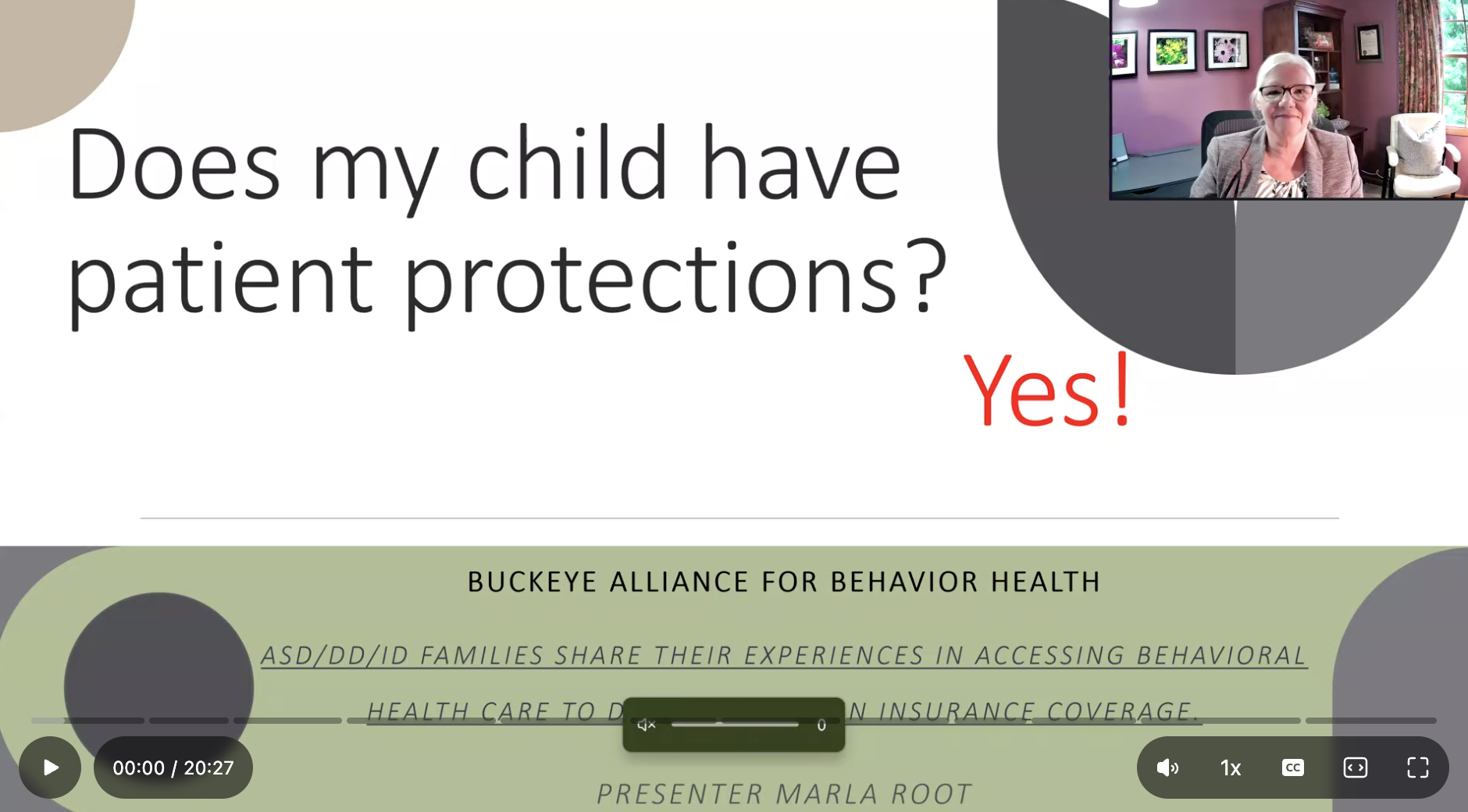
Patient Protections
Learn about protections that may apply when accessing behavioral health services and what families should know when coverage is challenged.
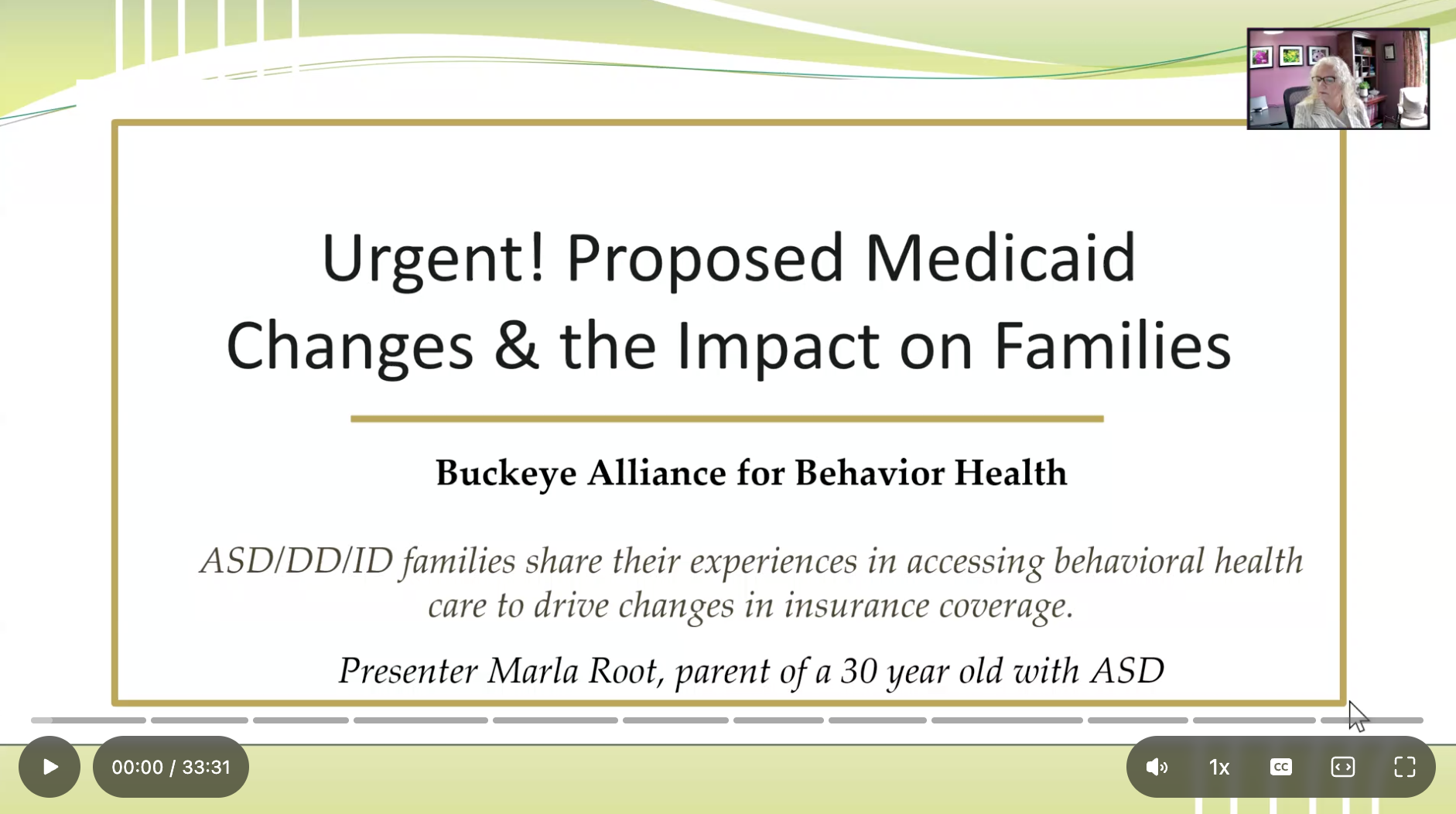
Understanding Medicaid Changes
What Ohio families should know about changes affecting Medicaid behavioral health services and access to care.
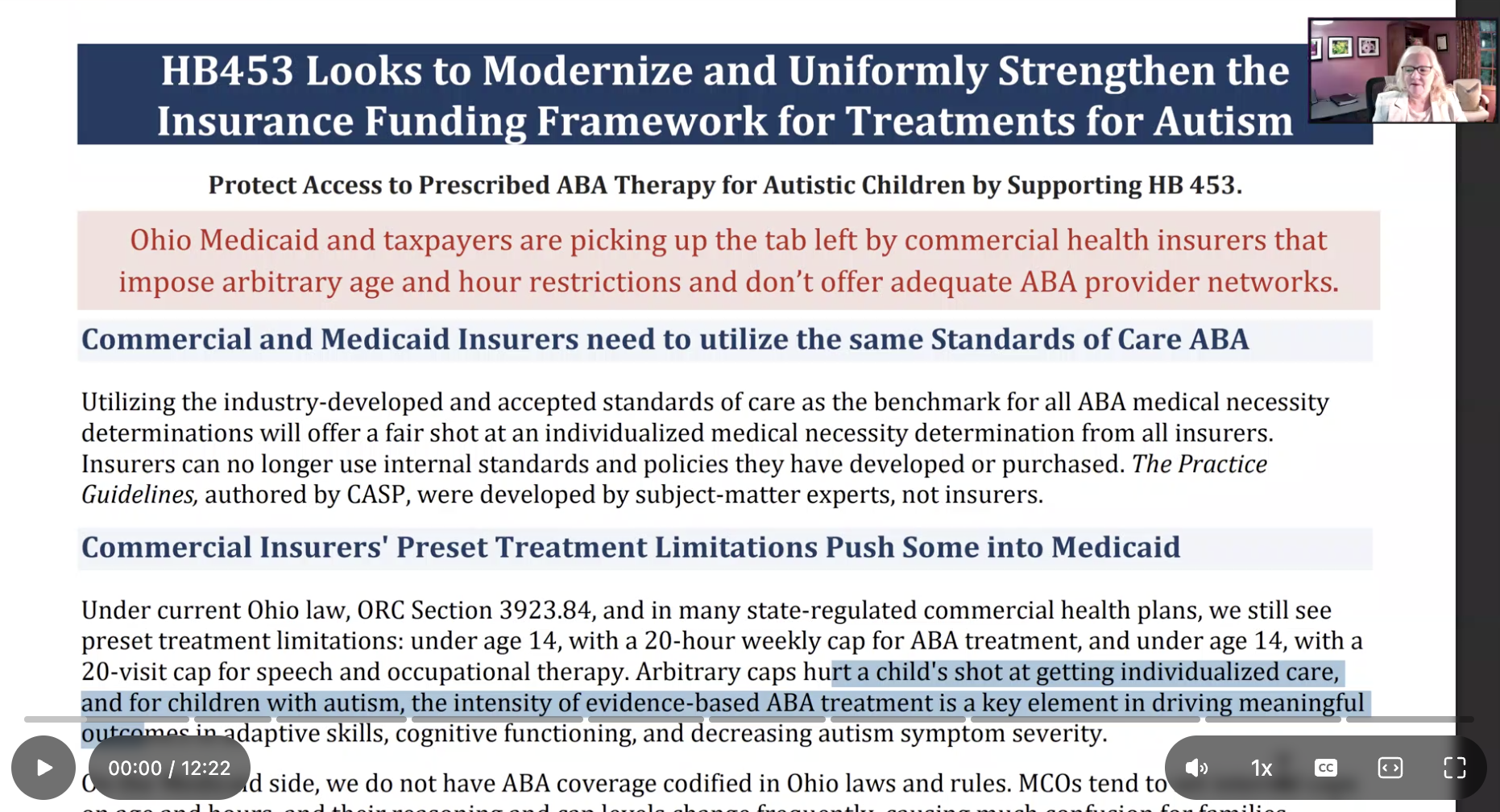
Understanding House Bill 453
Learn why HB 453 matters to Ohio families and behavioral health access.
Action Alert
Ohio families: your voice is needed.
Decisions affecting behavioral health care are being made now.
When an issue could affect access to care, Buckeye Alliance will use this space to explain:
What's happening.
What decision, rule, legislation, or policy change families should know about.
Why it matters.
How the issue may affect access to behavioral health services.
What you can do.
Simple actions families can take, including contacting legislators, sharing their experiences, or participating in an advocacy effort.
Need help finding your legislator?
- Go to https://www.legislature.ohio.gov
- Enter your zip code.
- Select both representatives and senators.
- Click to view legislator contact information.
- Fill out the contact form

Families deserve behavioral health decisions based on their individual needs.
Buckeye Alliance is paying attention to policies and practices that can delay, reduce, or prevent access to appropriate behavioral health care.
Current areas of concern include:
Coverage decisions that override treatment recommendations
Families may encounter denials, reductions, or limitations even when providers have recommended a particular level of care.
Diagnostic requirements that delay treatment
Additional evaluation requirements can create barriers when a family already has diagnostic information and is trying to begin services.
Prior authorization delays
Waiting for authorization can mean waiting for care.
Requirements placed on parents and caregivers
Families have raised concerns about requirements related to parent participation or training being tied to continued access to services.
Protecting access while addressing fraud and misuse
Efforts to strengthen oversight should also consider the needs of families who depend on timely, medically appropriate services.
These are complex issues. The experiences of Ohio families help show how policies work in real life.